


MARKET OVERVIEW Q1/2026

Chief Sales Officer
In the 2025, despite its many challenges, the wood market has registered a steady growth throughout the year. As we approach the end of fourth quarter, we would like to provide you with a detailed overview of the current market developments and our outlook for the first quarter of 2026. It seems that the price volatility we experienced in previous quarters has died down, however we are not in the clear waters yet. Analysis of the current market data indicate that there could be possible price volatility towards second half of Q1, 2026 that will impact most segments. Please find below the key trends and their impact on our pricing as well as the overall general market conditions.

We forecast that the trend will carry over to Q1, 2026 and the price increase will continue. If market tendencies will remain in current trajectory, we can expect a more aggressive price spikes towards second half of Q1, 2026.
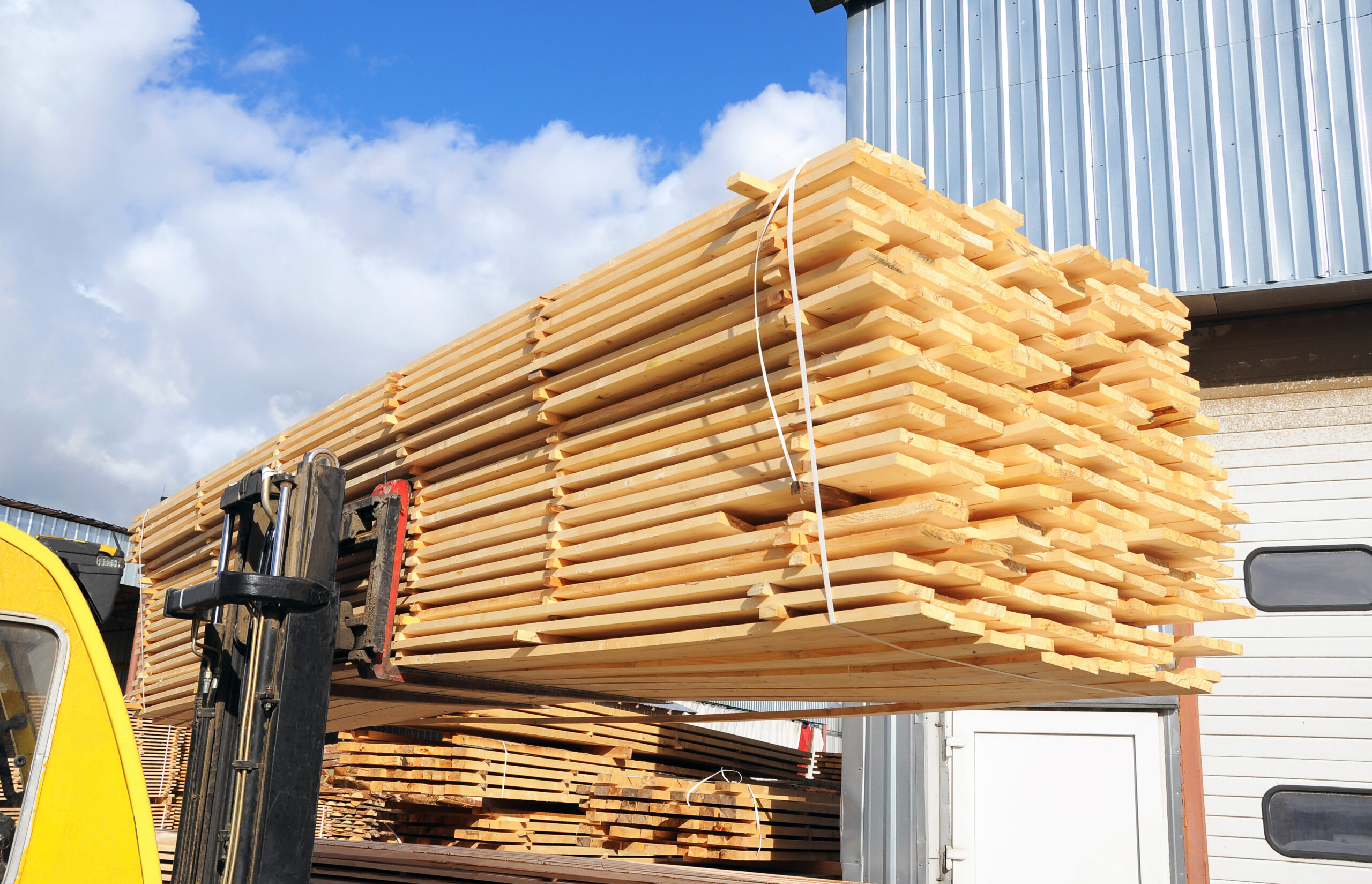
There are several core factors signaling a possible increase of demand for European timber in Q1, 2026 as the profitability margins of EU sawmilling companies are challenged due to high log prices and continuous low demand level. Ongoing sawmill curtailments of operational capacities due to weak demand and rising operational costs have reduced the supply side of the timber market and as the demand increases as the timber suppliers will not be able to
momentarily react to market needs. The ECB was cutting interest rates throughout the 2025, the demand for timber at Q1, 2026 is expected to be higher than in Q1, 2025 due to increased demand from the construction sector. In combination with low stock levels and reduced sawmill capacities there is an increased possibility of price volatility in the Q1, 2026 that could lead to price spikes.
In addition, the US tariff policy since September 2025 has favored EU timber over Canadian timber. The competitive advantage that the 10% tariff difference brings to the table, is being exploited by EU manufacturers further decreasing the possibility of a timber price decrease in EU in a near future.
The HPE price index for sawn timber and woodbased products for wooden packaging and pallets


Plywood price is steadily increasing in Q4, with an 0,8% increase in October and 0,9% increase in November. The packaging OSB price has been more volatile. The average monthly price increase, compared to 2025, is more than 19% for the last three quarters, however in Q4 the month-to-month price has stabilized.



The US government shutdown lasting from start of October to mid-November has delayed the release of various statistical data that has caused a “waiting mode” in the market as the forecasts about Q1, 2026 are also delayed.
The inconsistency of tariff policy and the rumors surrounding it, caused a significant market volatility in Q2-Q3. As for now, the general approach towards tariff policy seems to be established that should cause decreased volatility further.
With the reduction of interest rates and increasing construction backlog for family houses, the timber demand in 2026 construction season is expected to increase compared to 2025. Similarly, as in EU, the US producers have curtailed the capacities and the stocks are low. The sudden increase of demand can cause price spikes due to lower adjustment to new market conditions from the suppliers.

03 EU – STEEL MARKET
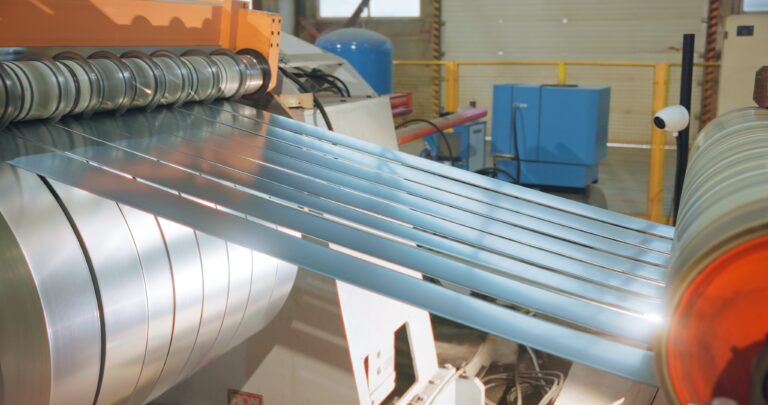
After brief period of relative stability, the leading flat steel producers in EU have announced ~10% increase in flat steel prices for the Q4, 2025.
With the CBAM (Carbon Border Adjustment Mechanism) regulation entering the Definitive Phase starting from January 1st, 2026, and the planned reduction of steel import quotas from Q2-Q3, 2026 there is a strong indication
that the flat steel product price will stay elevated throughout Q1-Q2, 2026.
Austria is expected to raise its tolling rates by 7.7% next year, Flanders by 20%, and the Netherlands will pass from a time to a distance-based system, raising the toll rate by ×7 for EURO VI Class 1 articulated vehicles doing 50,000 km per year on the tolled network. Poland must adapt its national e-TOLL system to the EU directive and link toll pricing to emission classes based on VECTO results.
The European Commission has already launched proceedings against Poland for delays, and changes are expected to be implemented in Q1 2026. Recently, in November, the Latvian parliament also voted for the road toll increase in 2026. In combination with the conclusion of phased approach and the EU ETS (emissions trading scheme) reaching 100% in 2026/2027 for ships over 5000 GT these factors indicate that the road and sea transport operators will experience increased operational costs thus we are forecast that the logistics costs will have an upwards tendency in Q1, 2026.
05. CONCLUSIONS
Throughout 2025, wood prices have risen significantly, while manufacturers have absorbed a substantial share of these increases. In the current market environment, a decrease in prices for finished wooden packaging products is
not feasible, and further upward pressure in Q1 2026 remains possible.
At KRONUS, we place great importance on our cooperation and long-term relationships. We are committed to taking reasonable and responsible steps to secure the necessary volumes for your operations and to ensure continuity of supply despite a challenging market.
To maintain stability and ensure your packaging is available at the right time, timely forecasts and early placement of orders are crucial. This allows us to plan capacities effectively and minimize the impact of market volatility on your business.
We kindly invite you to reach out to your KRONUS Sales Manager to arrange a joint forecast review, so that together we can align expectations, reduce risks, and ensure smooth supply planning for the upcoming months.