
15.06.2026

Wooden Packaging Benefits: Cost Savings, Sustainability, and Efficiency


In today’s supply chains, packaging is no longer just a supporting element - it plays a key role in efficiency, costs, and environmental impact. As customer expectations shift and regulations become stricter, businesses are rethinking their packaging strategies. Sustainable wooden packaging is emerging as a solution that effectively balances operational performance with long-term value creation.

Public Perception and Environmental Responsibility

Public perception is one of the strongest drivers behind the shift toward sustainable packaging. While not all companies have fully transitioned to environmentally friendly solutions, many customers already expect it. Businesses that rely on single-use packaging risk being seen as outdated, while those adopting reusable solutions demonstrate responsibility and forward-thinking. This can directly influence partnerships and purchasing decisions.

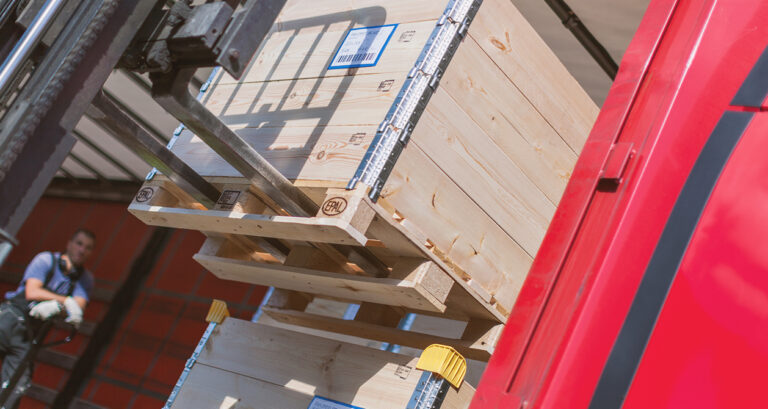
img-1933

The environmental impact of packaging makes this transition even more urgent. Packaging accounts for a significant share of global pollution, with around 80% of ocean pollution and two-thirds of landfill waste linked to it. Governments are responding with stricter regulations, making sustainability not just a choice but a requirement. Companies that act early position themselves ahead of these changes while strengthening their brand image and market trust.

Cost Efficiency and Operational Benefits

Wooden packaging is not only about environmental responsibility – it is also a smart financial decision. Reusable wooden packaging reduces the need for constant purchasing, lowers labor costs related to disposal, and minimizes waste management expenses. Over time, this leads to significant savings. For example, instead of buying new packaging for every shipment, companies can reuse the same solution multiple times, improving return on investment.

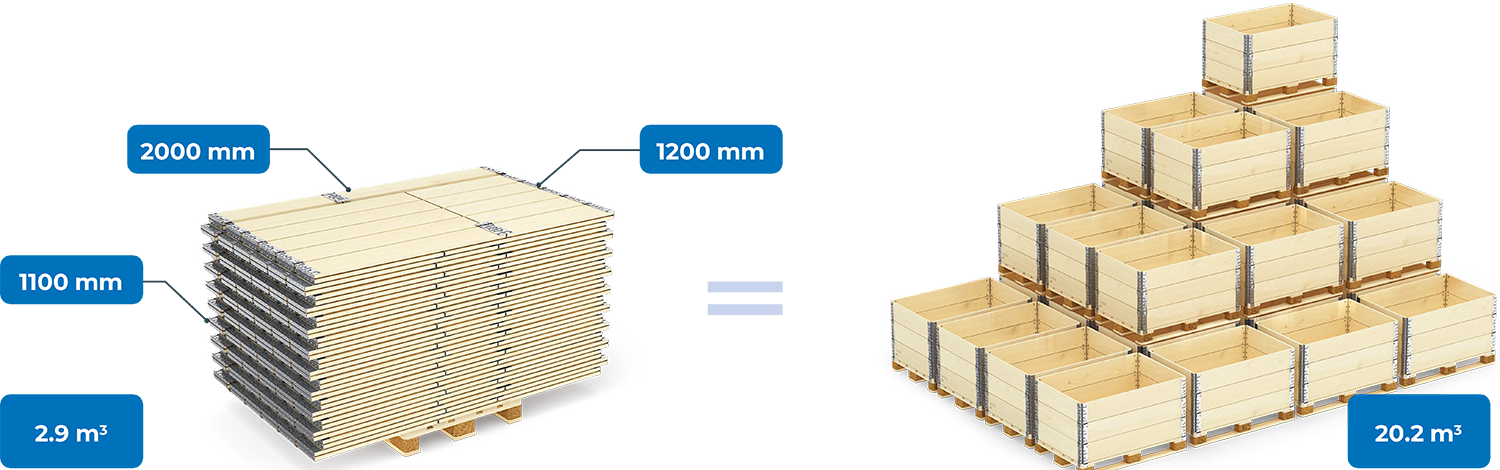
Additional efficiency comes from space optimization. Folded pallet collars can save up to 87% of storage space, meaning 108 pallet collars take up the same space as just 29 assembled boxes. This reduces both warehouse and transportation costs. Moreover, systems like buy-back programs allow companies to return used packaging, saving up to 32% of costs while freeing up storage space.

space-optimization1

Pallet collars also improve daily operations. Its modular design allows easy assembly, often requiring only one worker, while adjustable structures make handling goods more

ergonomic. For example, workers can access products without bending or lifting excessively, improving both productivity and working conditions.

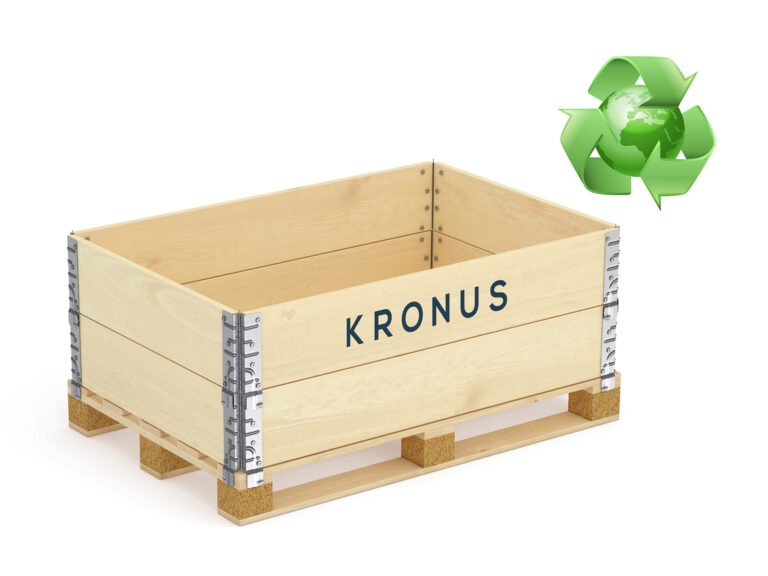
Render – Pallet Collars – Reusable

Durability, Reusability, and Versatility

One of the key advantages of wooden packaging is its long lifecycle. With proper use, it can last up to ten years, making it a truly sustainable solution. Unlike many alternatives, wooden packaging is also repairable – individual parts can be replaced without discarding the entire unit. This reduces waste and extends usability, supporting a circular economic approach.

Wooden packaging is also highly versatile. It is used across industries such as logistics, manufacturing, and agriculture, and can even serve additional purposes like retail displays or storage solutions. Its durability ensures reliable product protection, while its adaptability makes it suitable for a wide range of applications.

Conclusion: A Smarter and More Sustainable Choice

The future of packaging lies in solutions that are not only functional but also sustainable and cost-efficient. Wooden packaging offers a unique combination of durability, reusability, and operational benefits, helping businesses reduce costs while minimizing environmental impact. By choosing sustainable packaging solutions, companies can improve efficiency, strengthen their brand, and prepare for the future of global logistics.

Render – Pallet Collars – Space Optimization 2